Staff Blog
Filters
Electrifying all U.S. trucks is not just feasible—it’ll cost less than some might have you think
Explores recent estimates for electrifying the U.S. truck fleet, finding that it is both feasible and affordable, in contrast to the Clean Freight Coalition’s inflated $1 trillion projection.
Clearing the Air in India: GPS could become handy
GNSS technology in highway tolling can also be pivotal for implementing policy strategies that support improvements in air quality, equitable motor vehicle taxation and transport planning.

New EU rules on private charging and how Member States can legislate more ambition
The first in a two-part blog series explores the European Union’s Energy Performance Building Directive (EPBD), focusing on the mandatory installation of private charging stations for electric vehicles in new and renovated buildings.
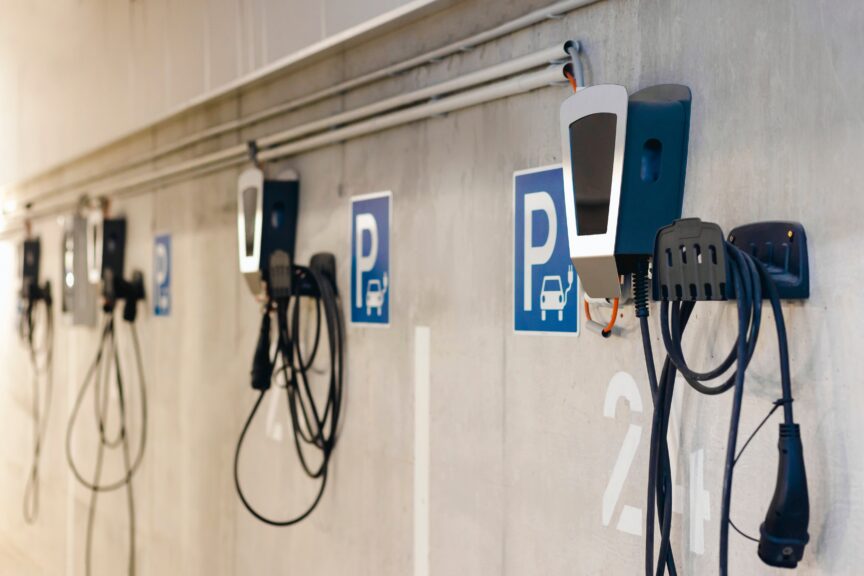
How European apartment dwellers can charge up and drive electric
The second in a two-part blog series explores the implementation of the European Union’s Energy Performance Building Directive (EPBD) for electric vehicle (EV) charging in apartment buildings, offering case studies from across Europe to demonstrate innovative approaches to making EV charging accessible and affordable for residents in multi-unit dwellings.

Keep up the good sales: Ways to support the market for used BEVs in Germany
Expanding the used battery electric vehicle (BEV) market can help alleviate financial barriers to the technology and promote equitable access to BEVs across the broad population.
Two reasons the EV transition could mean more U.S. manufacturing jobs: Vertical integration and onshoring
Highlights the potentially positive impact of the electric vehicle (EV) transition on manufacturing jobs in the United States.
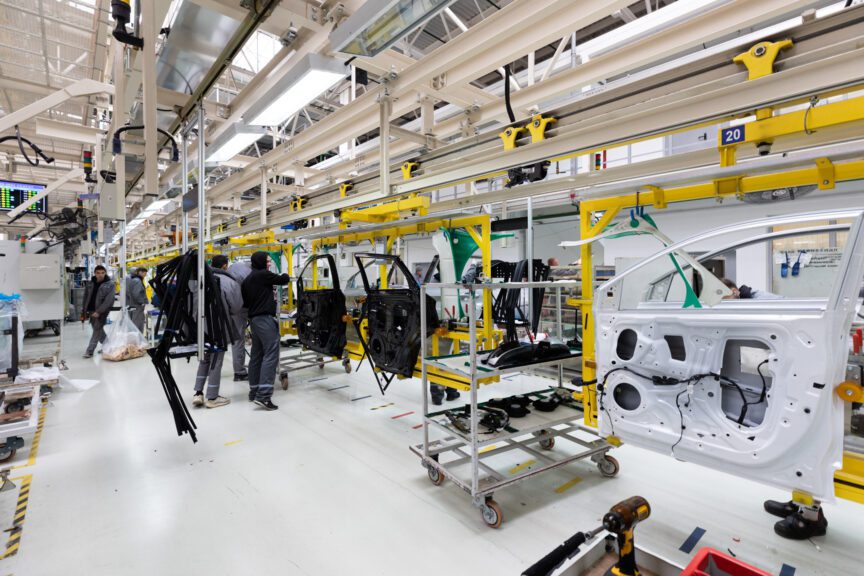
Improving economics strengthen the case for ambitious EV policies to achieve Paris commitments
Three recent reports highlight the need for more policy action to put road transport emissions on a pathway compatible with Paris Agreement goals.
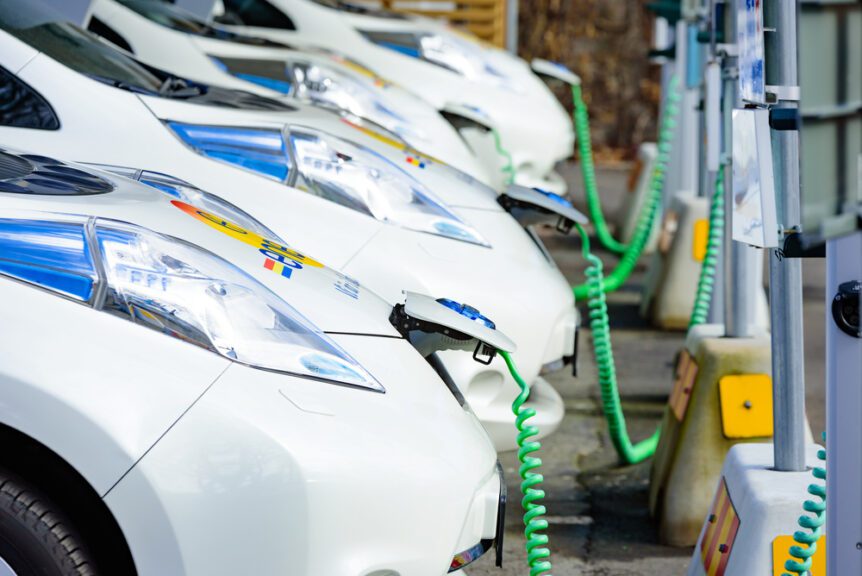
Will the U.S. EV battery recycling industry be ready for millions of end-of-life batteries?
We gathered information on installed and announced EV battery recycling plants in the U.S. and calculated how many end-of-life batteries they could process each year. But how does that compare with the projected supply?
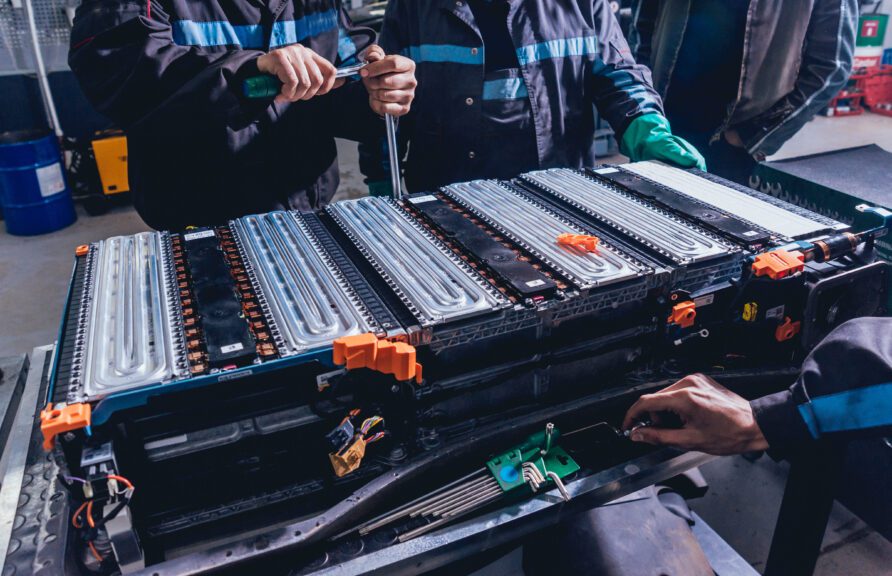
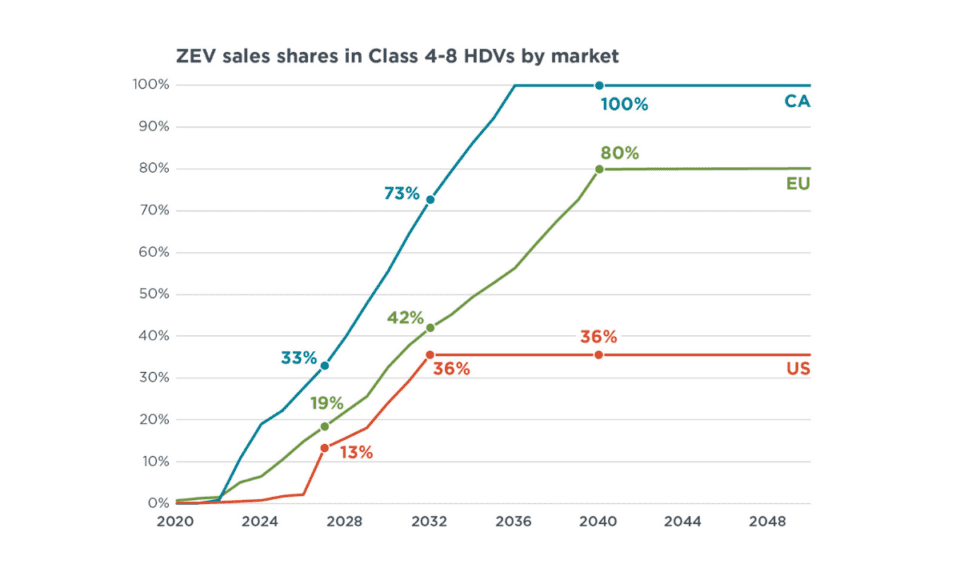
How U.S. and EU proposals could steer the transition to zero-emission truck and bus fleets
This blog discusses the differing GHG emission standards proposed by the United States and European Union for heavy-duty vehicles and highlights the impact of their distinct approaches.
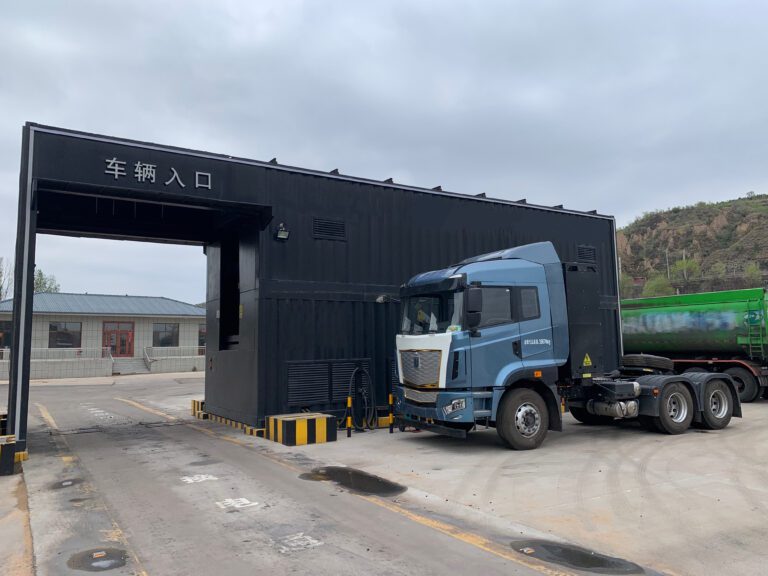
China is propelling its electric truck market by embracing battery swapping
China is widely known as the world’s largest market for electric cars and buses, but did you know that it’s also leading in the race to electric trucks?
Get on board California’s zero-emission trains!
California adopts a first-in-the-nation ban on the oldest and dirtiest diesel locomotive engines.

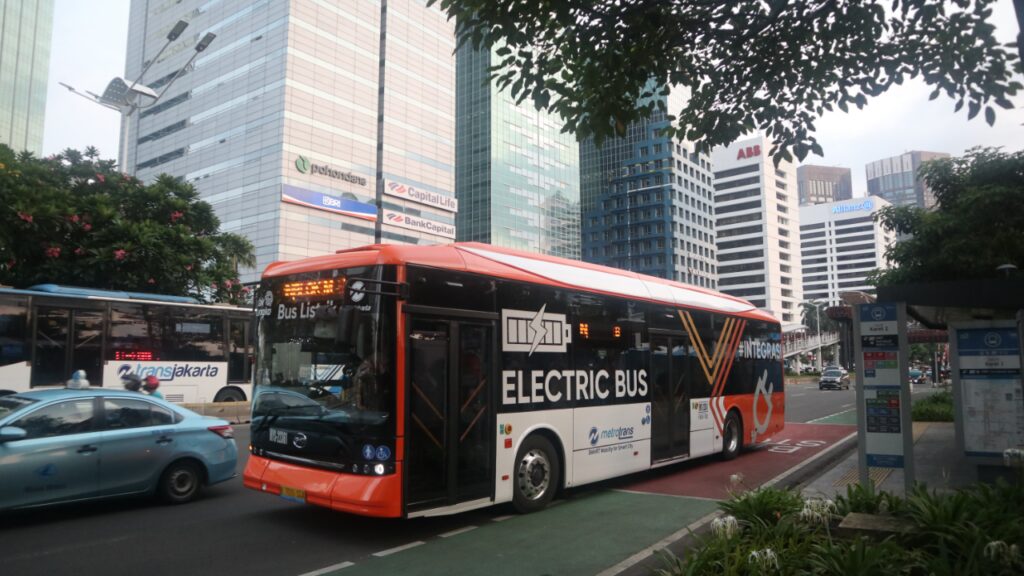
Indonesia’s historic announcement proves the country’s transport future is electric
The government of Indonesia consistently signals that electric vehicles (EVs) are the nation’s transport future. The latest sign came on April 20, 2023, during a meeting of the Major Economies Forum on Energy and Climate (MEF). Indonesia’s President Joko Widodo joined 16 other leaders to announce global climate goals and national commitments under the provisions […]