Staff Blog
Filters
Four changes would make the IMO Net-Zero Framework more effective
On April 11, the International Maritime Organization’s 83rd Marine Environment Protection Committee approved regulations under the IMO Net-Zero Framework. To make the framework effective, the IMO should address four key issues in its Life-Cycle Assessment Guidelines before full implementation in 2028. Otherwise, the framework risks promoting cheap-but-high-emitting fuels that could increase maritime GHG emissions.

Supersonic aircraft: Twice as nice, or double the trouble?
Startups aiming to develop supersonic aircraft see a bright future, despite the high carbon intensity of their designs. But given evidence that supersonic aircraft will burn seven times more fuel per seat than subsonic aircraft, is there really room for supersonics in a net-zero future?

The risks of betting on biofuels with flex-fuel plug-in hybrid cars in Brazil
Explores the greenhouse gas emissions risks associated with using flex-fuel plug-in hybrid cars with biofuels in Brazil as an alternative to battery electric vehicles in the context of the country’s climate goals.

Os riscos da aposta em carros híbridos plug-in flex-fuel no Brasil
Explora os riscos associados ao uso de carros híbridos plug-in flex com biocombustíveis no Brasil como uma alternativa aos veículos elétricos a bateria (BEVs) no contexto das metas climáticas do país.
Aligning the IMO’s Greenhouse Gas Fuel Standard with its GHG strategy and the Paris Agreement
Explores how the GHG Fuel Standard (GFS) can be designed to align with the International Maritime Organization’s (IMO) GHG strategy and the Paris Agreement.
Gray, blue, or moo hydrogen? How gas companies are milking California’s LCFS
Avoided methane emissions from out-of-state dairy farms are fueling a burgeoning shadow carbon offsetting scheme within the California LCFS
Will California rise to the Biden administration’s SAF Grand Challenge?
Although sustainable aviation fuels have faced some stumbling blocks, several measures are available to support SAF scaleup
Sustainable aviation fuels: What does real leadership look like?
Argues that in the effort to ramp up production of sustainable aviation fuels, mandating their use is smarter than subsidizing their production.
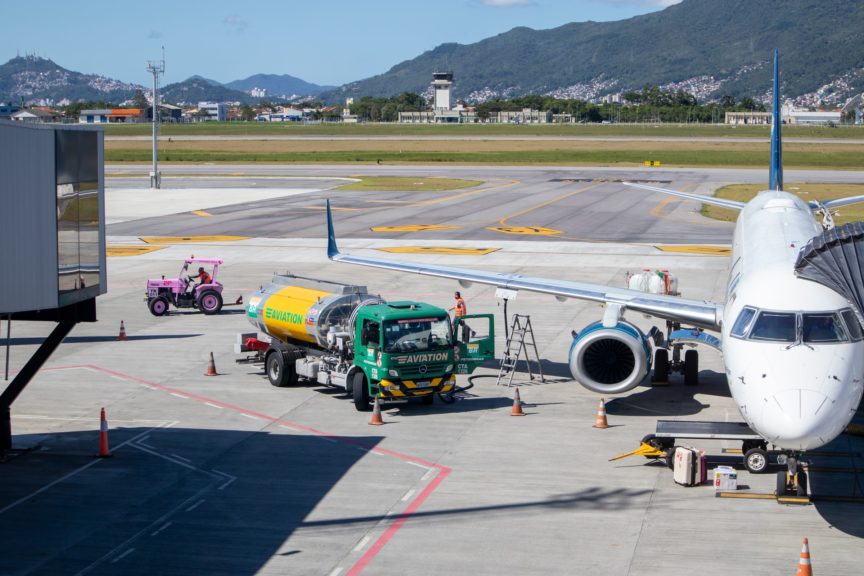
Zero cheers for the supersoynic renaissance
Assesses the environmental impact of supersonic aircraft in light of U.S. support for alternative jet fuels produced from crops like soybeans.
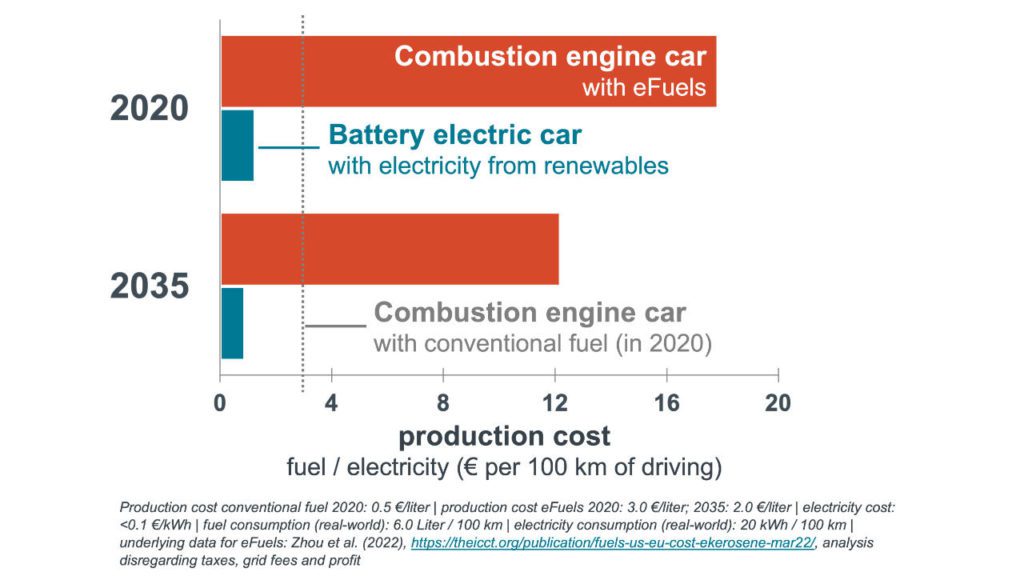
E-fuels: The magic lollipop to keep combustion engines alive (or not)
Will newly introduced language in a European Council agreement weaken the 2035 phase-out and keep combustion engines alive?
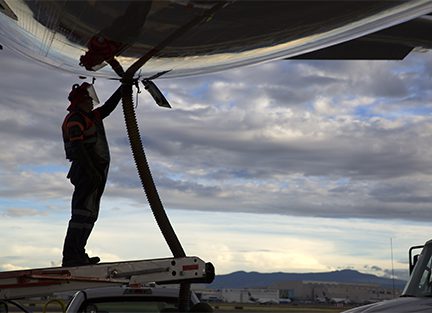
The tortoise and the hare? The race to decarbonize aviation
Explores whether aviation emissions can be greatly reduced if air traffic returns to its pre-pandemic rapid growth.
Flying on the Grid
Argues that unless alternative aviation fuels are produced using additional and renewable electricity, their use will not necessarily decarbonize aviation and could actually increase aviation’s GHG emissions.